
Peptides are one of the most common terms in the world of research on metabolism, tissue healing, and health. But what exactly is a peptide, and how do the different types differ? In this basic guide, we'll explain in simple terms — what it is, which types are studied, and how they're stored and reconstituted.
The information in this article is for educational purposes only and does not constitute medical advice or recommendation. All products on the site are intended for research only and are not intended for human or veterinary use.
What are peptides?
A peptide is a short chain of amino acids — the building blocks of proteins. Thanks to this structure, peptides act in the body as biological 'messengers': they're involved in hormonal regulation, cell-to-cell communication, and healing processes. In research, synthetic peptides are studied for their ability to affect specific biological pathways.
Which types of peptides are studied?
The research peptide catalog is divided into several main families:
- Metabolic / weight regulation — such as Retatrutide and GLP-1 family peptides.
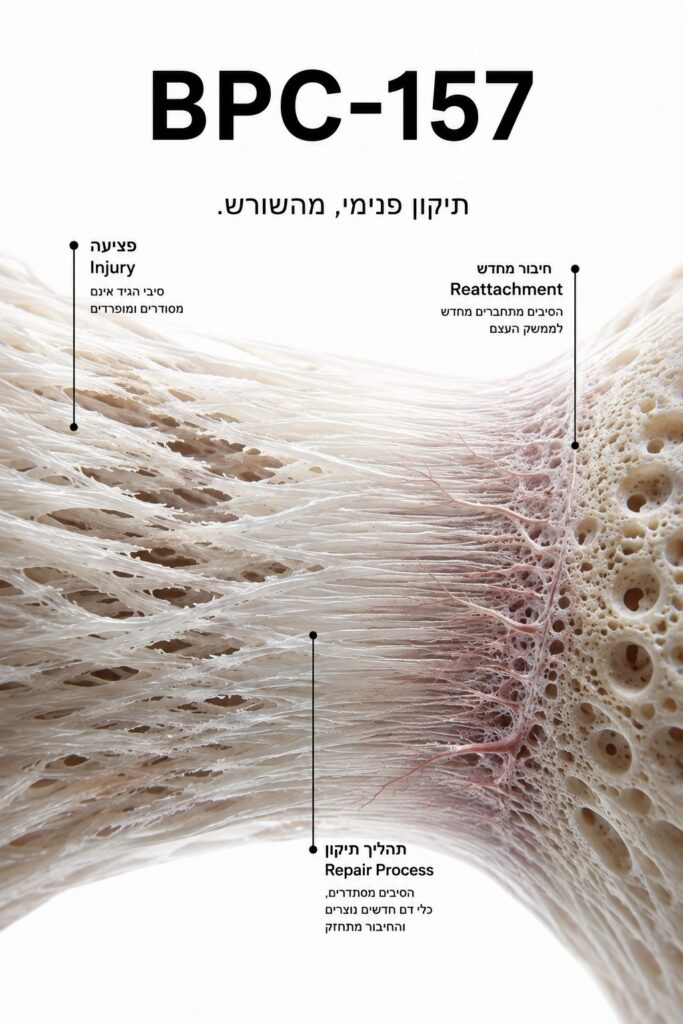
- Healing and tissue repair — such as BPC-157 andTB-500.
- Skin and appearance — such as GHK-Cu andGLOW.
- Growth hormone pathway — such as CJC-1295 + Ipamorelin andTesamorelin.
- Cognitive — such as Semax andSelank.
How are peptides delivered and stored?
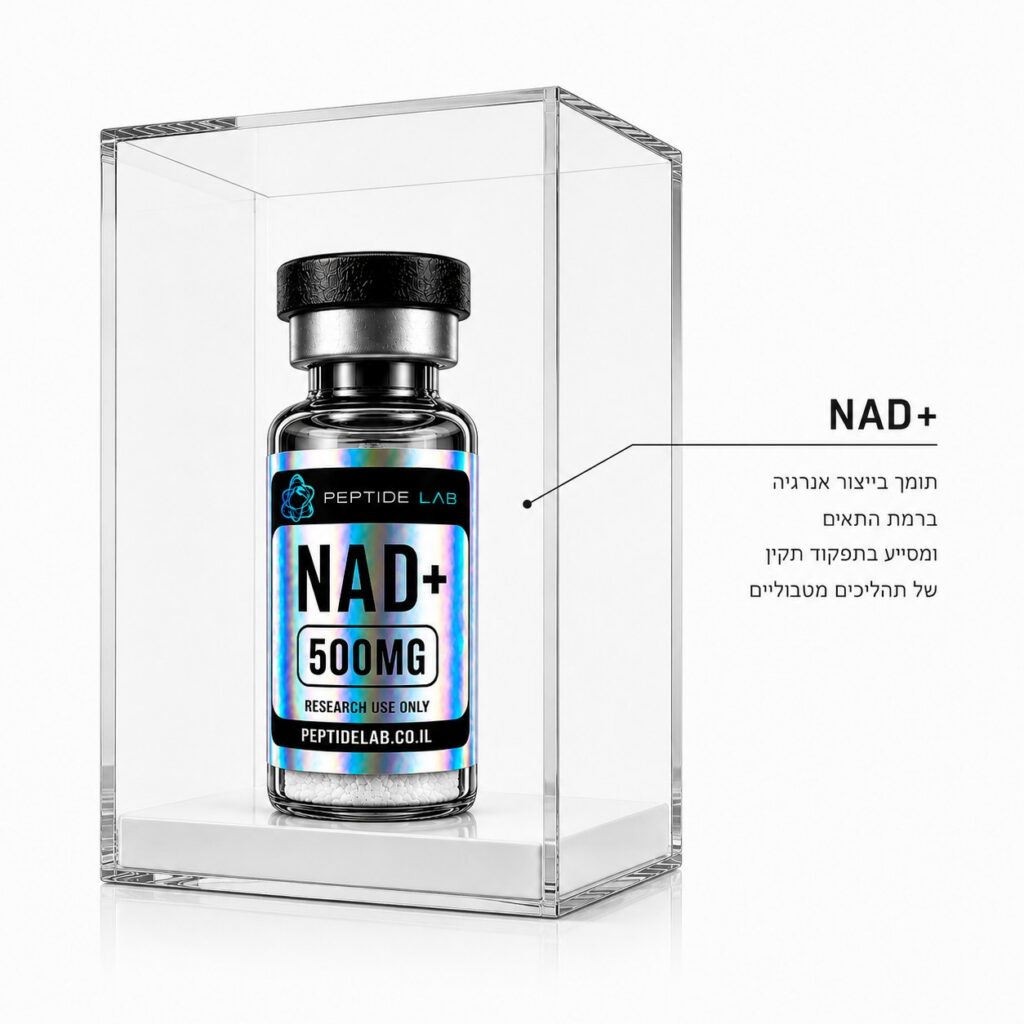
Most research peptides arrive as a freeze-dried (lyophilized) powder. Before research use, the powder is dissolved ('reconstituted') using bacteriostatic water. To accurately calculate the dilution ratios, you can useour dilution calculator. Proper storage — usually refrigerated and protected from light — is important for maintaining the compound's stability.
What's important to look for?
Quality in this field varies widely, so it's worth paying attention to transparency about the source, the factual information provided with each product, and proper packaging. On our site, every product comes with an explanation and sources — so you can evaluate based on data, not promises.
Frequently asked questions
What's the difference between a peptide and a protein?
Mainly size: peptides are short chains of amino acids, while proteins are longer and more complex.
Why is bacteriostatic water used?
It's used to dissolve the powder (reconstitution) before research use, and it contains a preservative that inhibits bacteria.
To view all the research peptides — go to the shop. Additional questions are collected on the FAQ page.
The information in this article is general and for educational purposes only and does not constitute medical advice. The products on the site are intended for research only and are not intended for human or veterinary use.